
Latest Updates
News & Events
Stay updated with our latest exhibitions, industry applications, and technology developments
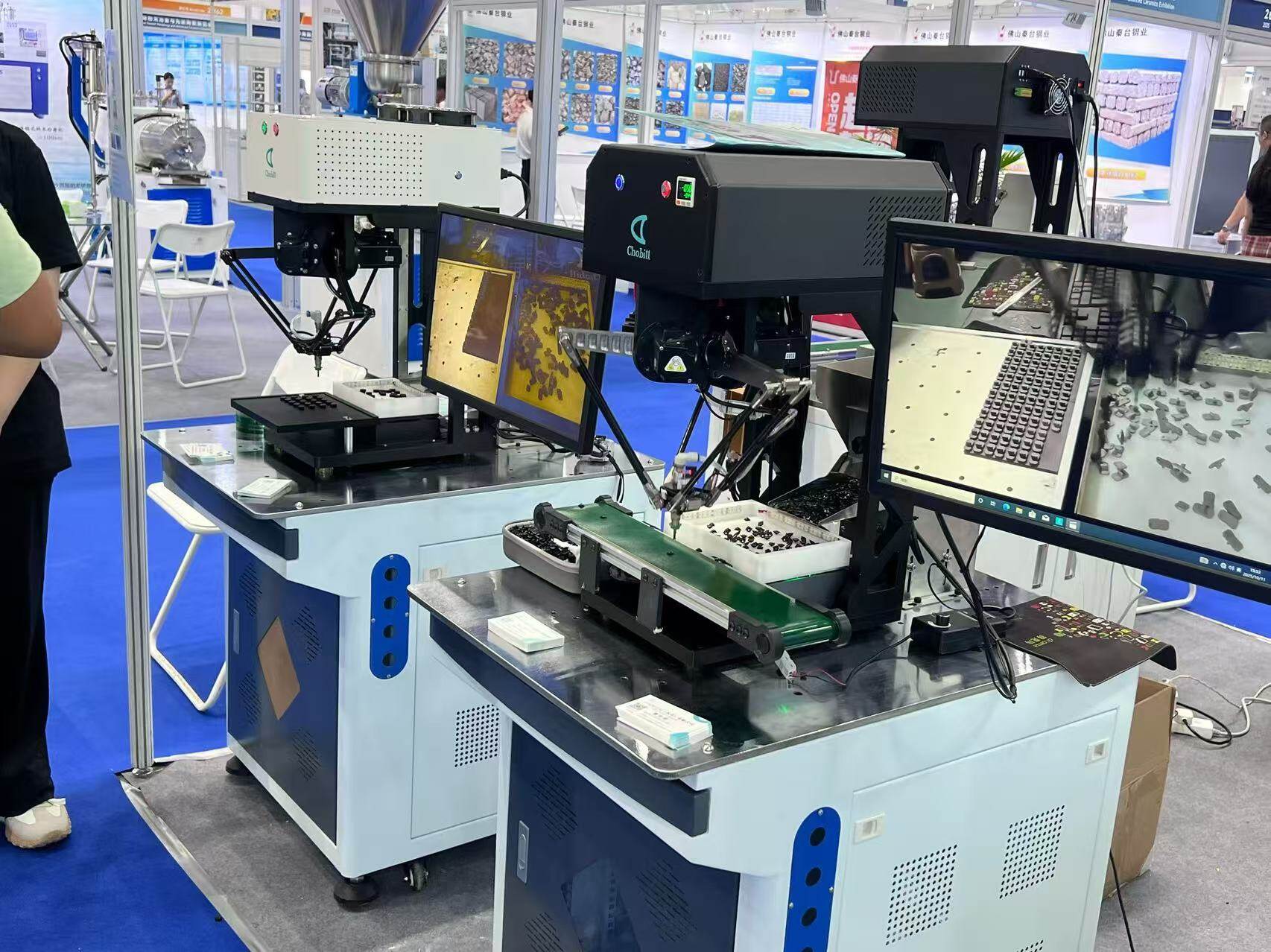
Feeding Challenges for Micro, Fragile & Irregular-Shaped Parts in High-Mix Manufacturing
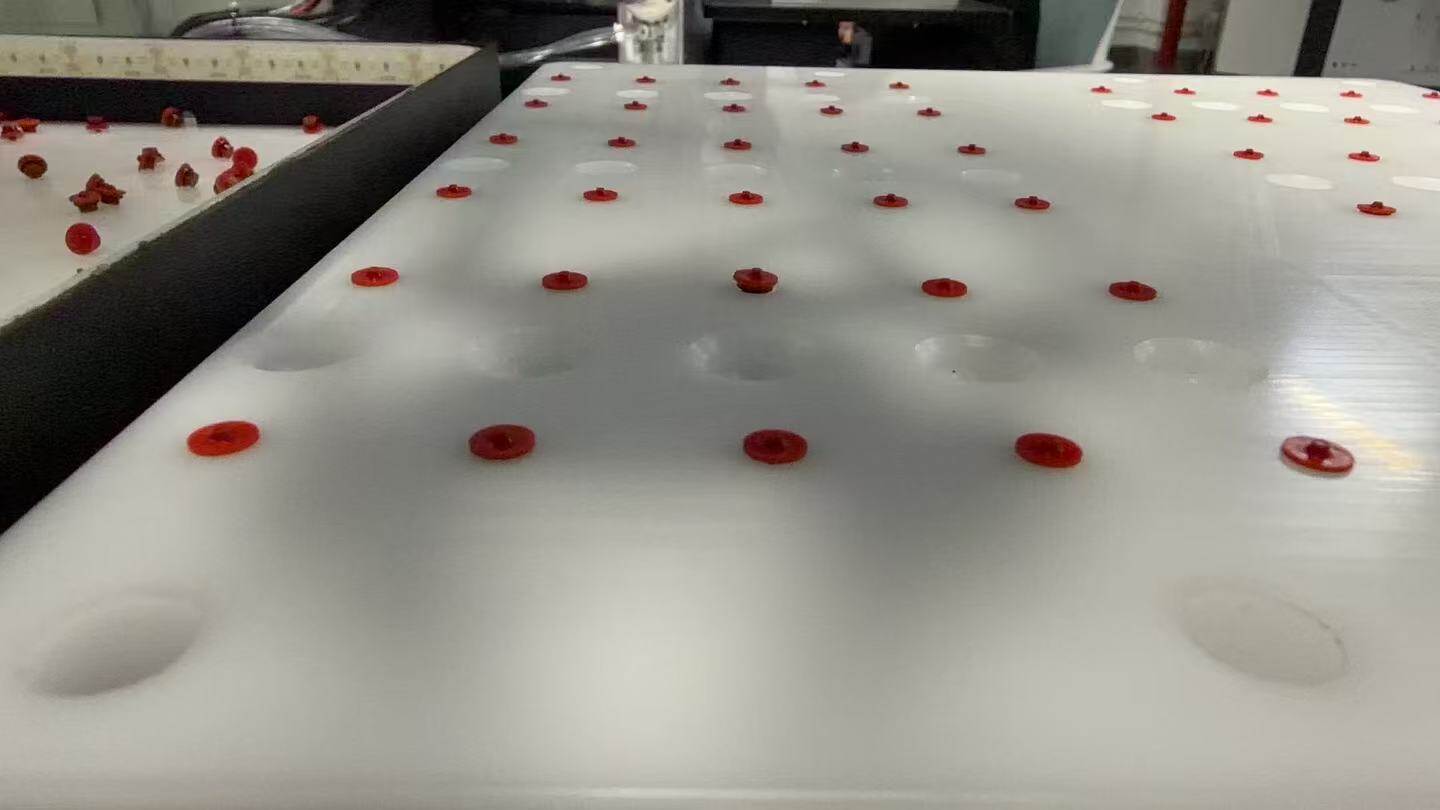
Medical, semiconductor and automotive component factories constantly deal with tiny, delicate and odd-shaped parts. With more small-batch, multi-SKU orders coming in, many production lines are stuck with old-style vibratory bowl feeders. Changing over between different parts means custom tooling, manual adjustments and hours of downtime. Fragile components often get scratched, chipped or jammed during vibration feeding, creating high scrap rates. Manual tray-loading adds labor cost and inconsistent results. Worse, many flexible feeding solutions require expensive annual software fees year after year. Our all-in-one flexible feeding and tray-loading workstation solves these real-world factory headaches. One single unit handles dozens of different micro-parts, no custom tooling required. Modular recipes allow one-click switch between products, cutting change-over from hours to minutes. Gentle vacuum picking keeps fragile parts intact with less jamming and waste. Best of all, the system includes permanent free software authorization — no recurring software service fees for the whole machine lifespan. Factories using this solution reduce equipment investment, lower scrap loss, cut labor reliance and run stable unmanned production. For facilities frequently launching new part variants, this flexible automation brings clear cost-saving and competitive advantages.
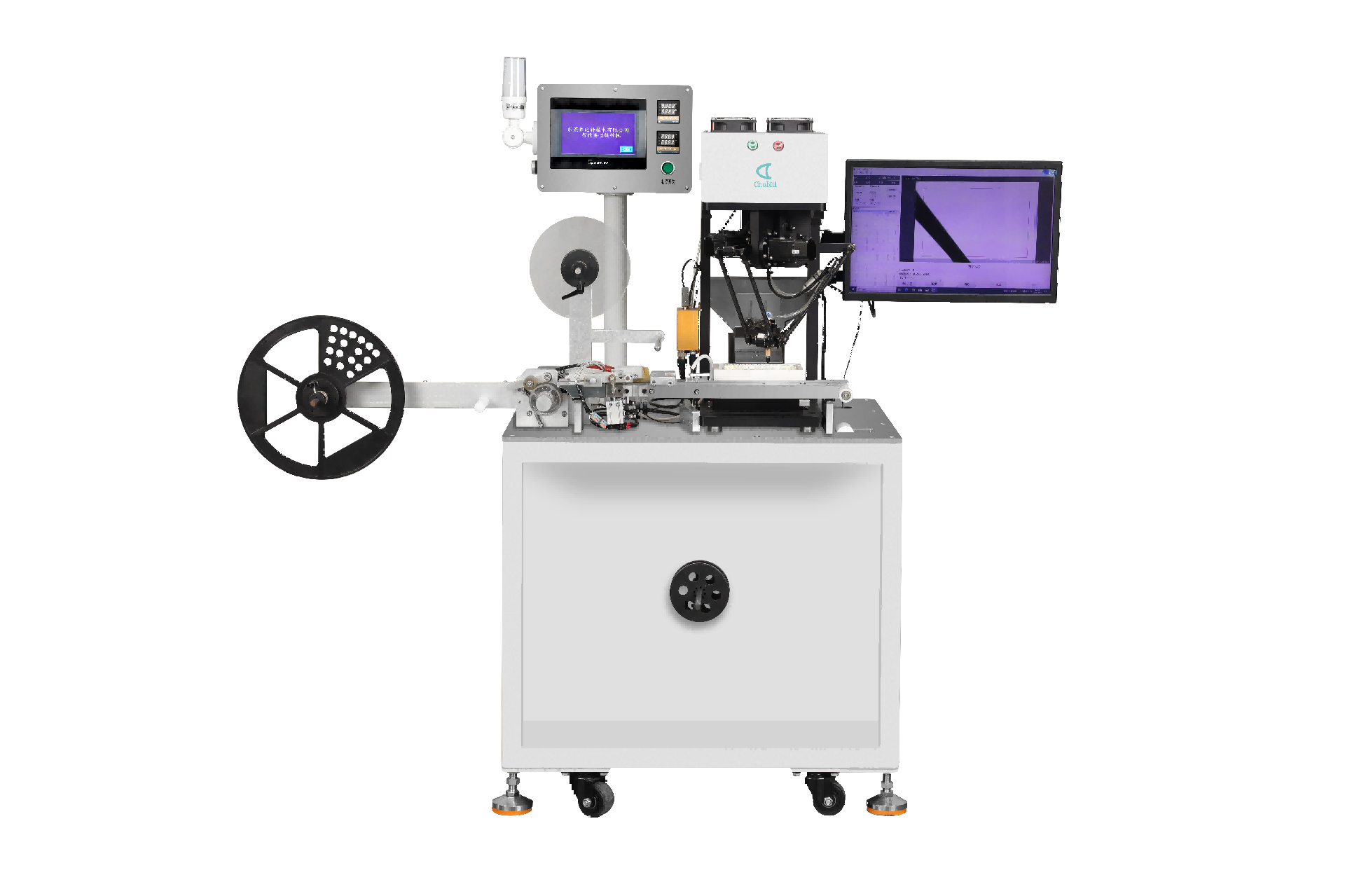
Common Tape-and-Reel Packaging Pain Points for SMD Electronic Component Manufacturers
For electronic component factories producing SMD parts, connectors and miniature passive components, reliable tape-and-reel packaging is critical. Poor packaging quality will directly cause failures on customers' SMT assembly lines. Many plants still face persistent packaging troubles. Unstable heat and pressure lead to inconsistent sealing. Parts flip, tilt or shift inside carrier tape pockets, generating large numbers of rejects. Older machines need complicated mechanical re-tuning when switching component sizes, slowing production change-over. Packaging defects result in product returns, rework cost and damage to your business reputation. Our automatic tape & reel encapsulation machine is built for these practical electronic-manufacturing challenges. Closed-loop temperature and pressure control delivers steady sealing quality. Built-in vision inspection catches flipped, offset or missing components while running. Quick-adjust modules enable fast setup for multiple part sizes and tape types. It supports consumer, automotive and industrial-grade component packaging and can connect with factory MES systems for full-production traceability. Component suppliers gain lower waste, less manual inspection work and consistent outgoing product quality. It helps factories meet strict quality demands from global OEM and EMS assembly partners.
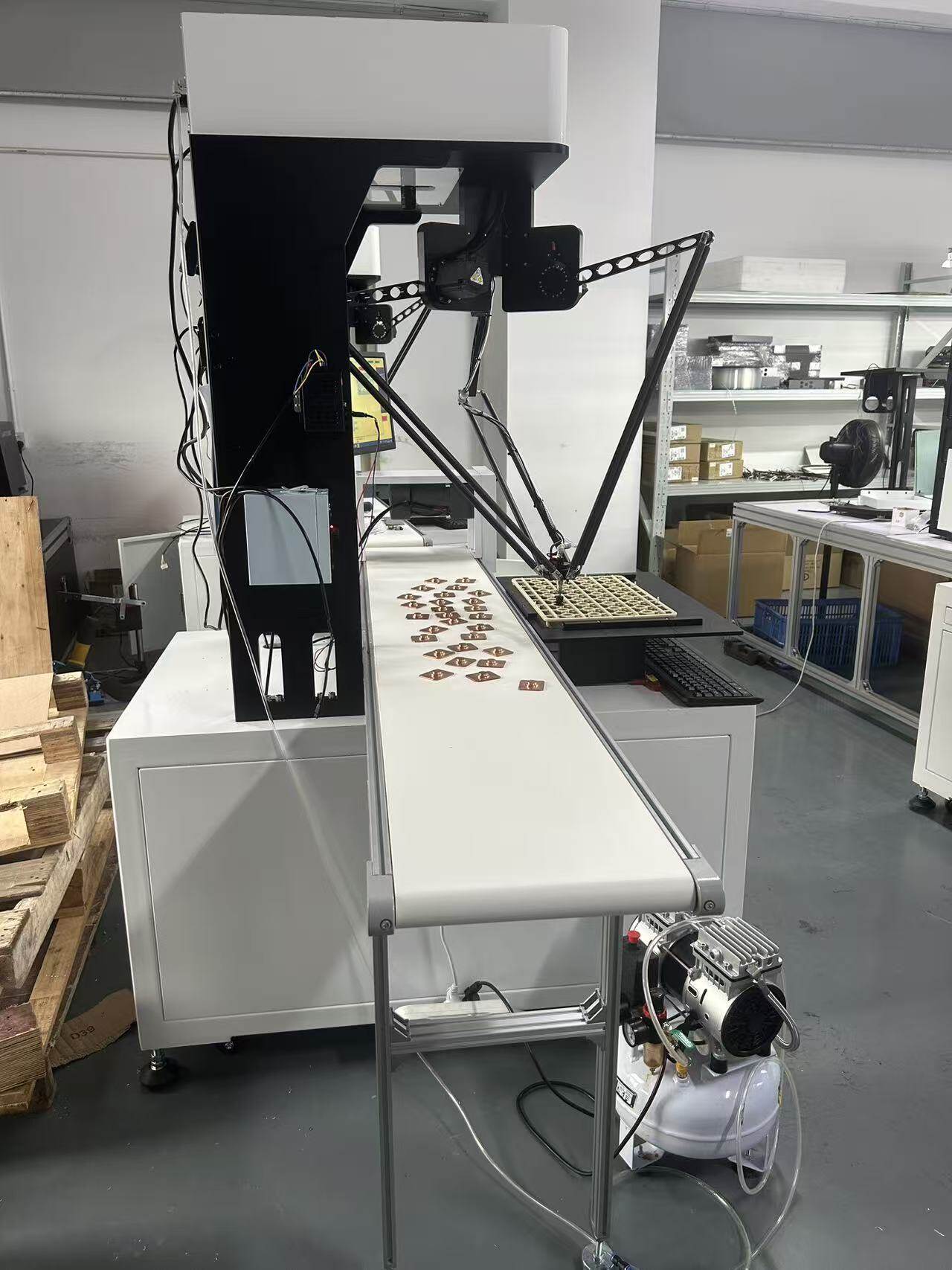
Material-Handling Headaches: Why Traditional Conveyors Slow Down Modern Assembly Workshops
Assembly, food processing and 3C manufacturing workshops rely heavily on conveyor systems for smooth material flow. Today's factories frequently adjust production layouts, add stations and update product lines to respond to changing market orders. Traditional fixed rigid belt conveyors create many hidden problems. Every layout modification needs large-scale reconstruction and long production shutdowns. Belt deviation, fast wear-out and difficult spare-part replacement bring unexpected downtime. A single belt material cannot satisfy anti-static, food-grade or high-wear-resistance needs at the same time, limiting production flexibility. Bad material-handling design becomes a bottleneck holding back your whole-line output. Our modular belt conveyor system addresses these typical factory material-handling pain points. Modular unit-based design lets you re-arrange line layout quickly without heavy reconstruction. Anti-deviation structure reduces frequent manual adjustments. Multiple belt options are available for food-safe, anti-static and heavy-wear-resistant working conditions. Maintenance and part replacement are simple and time-saving. It can easily connect with robots, testing stations and packaging equipment. Factories avoid expensive line-rebuilding costs, reduce unplanned downtime and keep steady material flow. For workshops with frequent production-line changes, modular conveyors deliver solid long-term operational value.
Featured Article
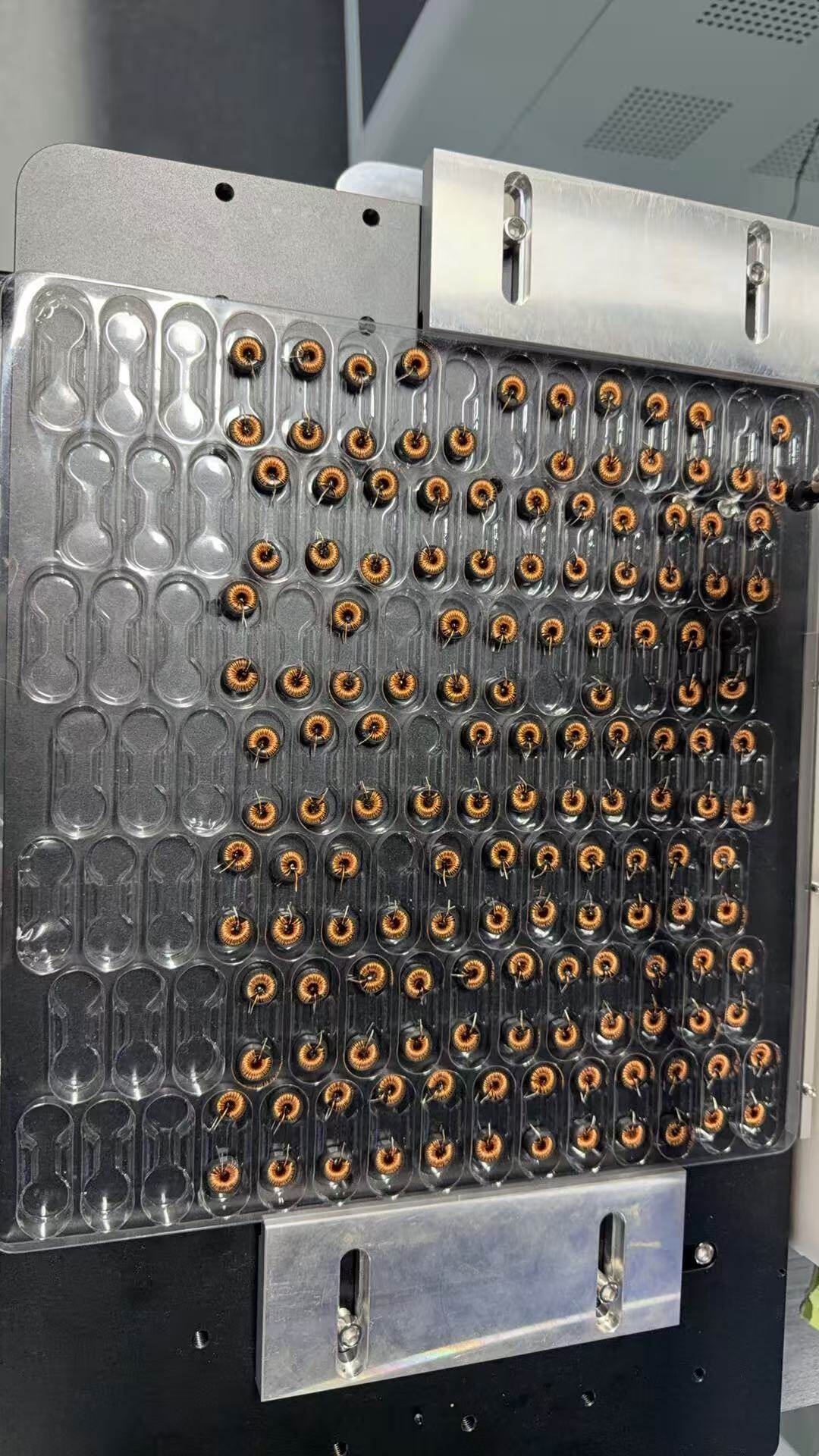
Feeding Challenges for Micro, Fragile & Irregular-Shaped Parts in High-Mix Manufacturing

The Challenge
Medical, semiconductor and automotive component factories constantly deal with tiny, delicate and odd-shaped parts. With more small-batch, multi-SKU orders coming in, many production lines are stuck with old-style vibratory bowl feeders.
Changing over between different parts means custom tooling, manual adjustments and hours of downtime. Fragile components often get scratched, chipped or jammed during vibration feeding, creating high scrap rates. Manual tray-loading adds labor cost and inconsistent results. Worse, many flexible feeding solutions require expensive annual software fees year after year.
Our Solution
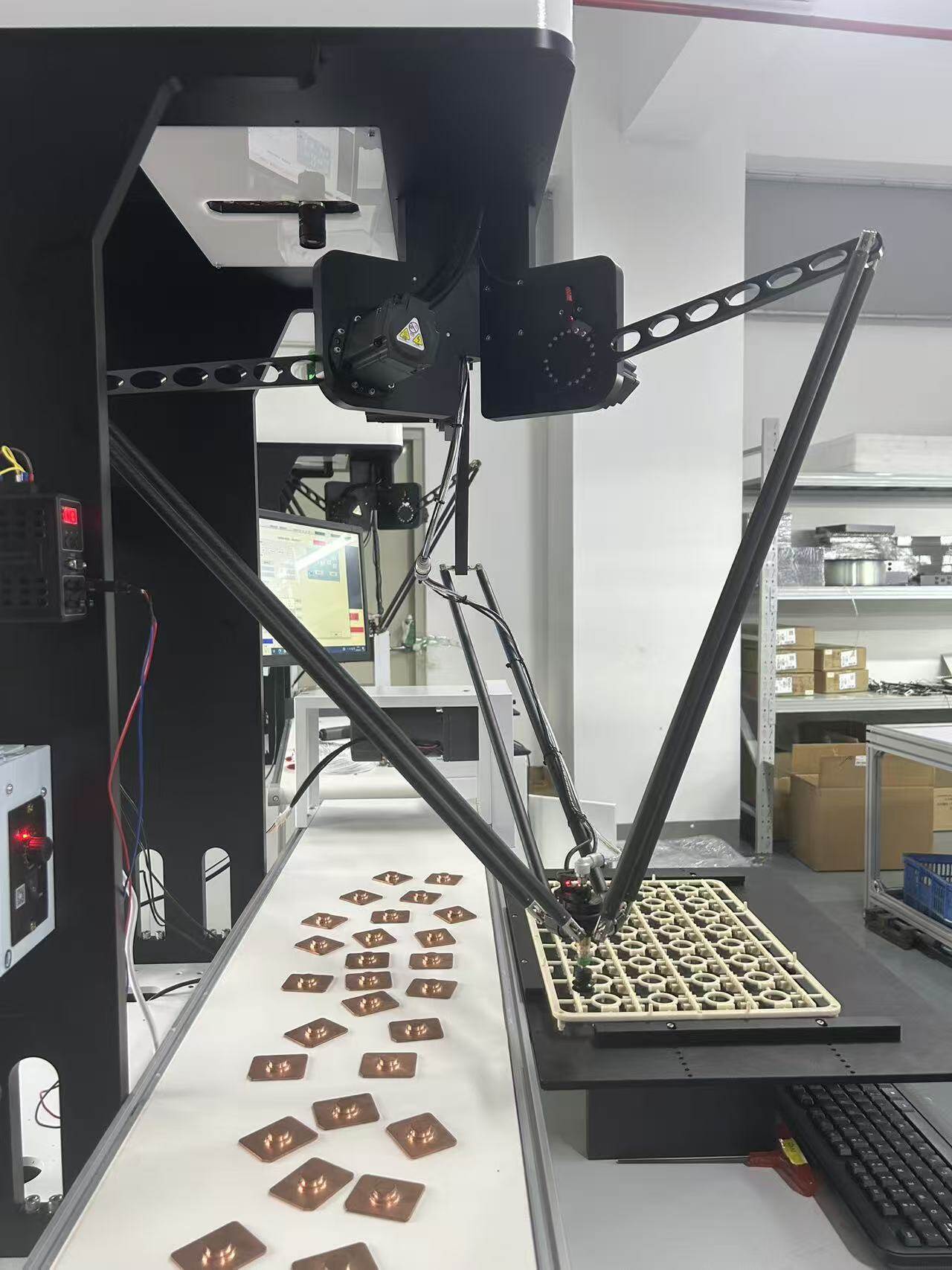
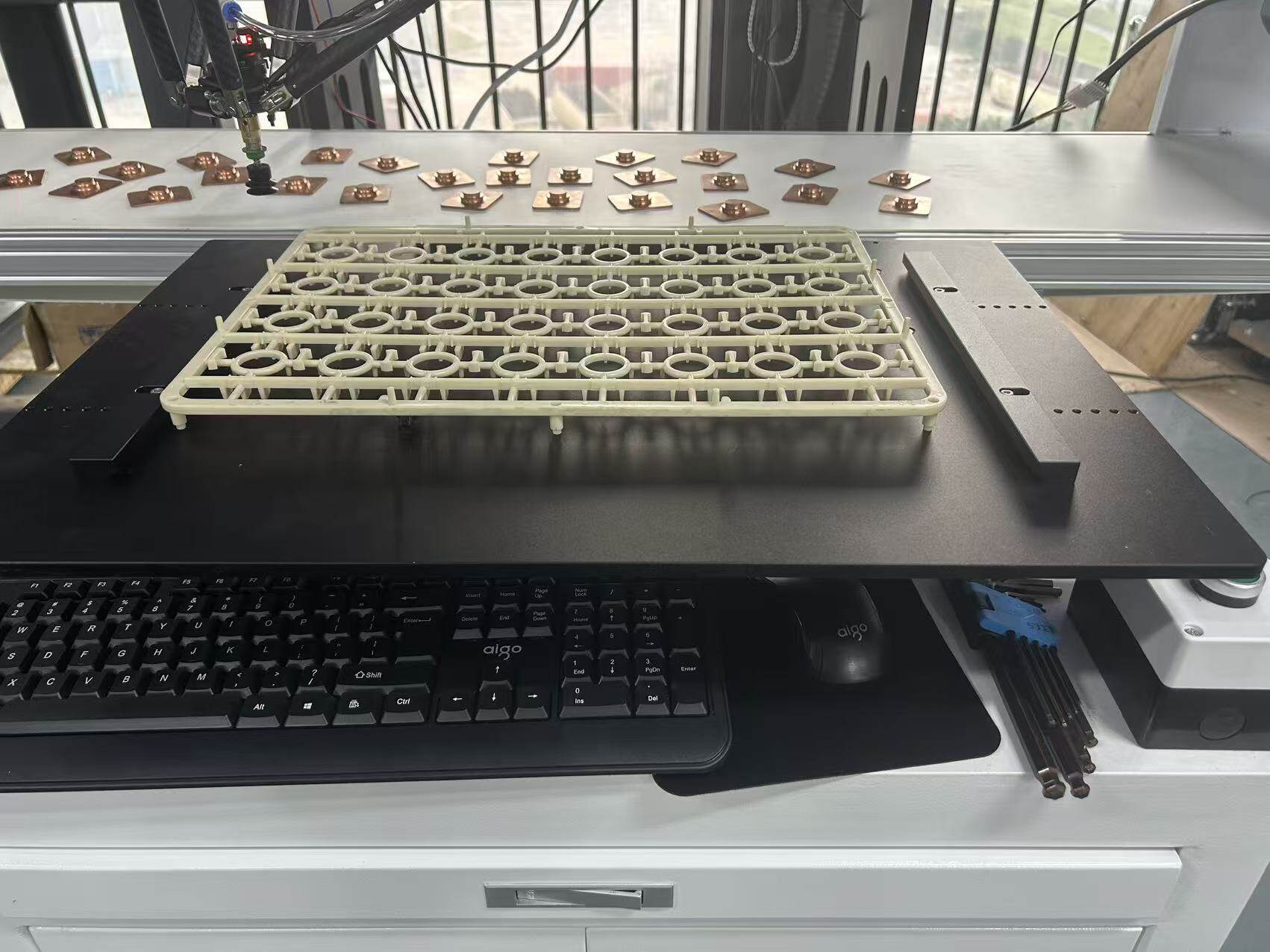
Our all-in-one flexible feeding and tray-loading workstation solves these real-world factory headaches.
One single unit handles dozens of different micro-parts, no custom tooling required. Modular recipes allow one-click switch between products, cutting change-over from hours to minutes. Gentle vacuum picking keeps fragile parts intact with less jamming and waste.
The Results
Factories using this solution reduce equipment investment, lower scrap loss, cut labor reliance and run stable unmanned production. For facilities frequently launching new part variants, this flexible automation brings clear cost-saving and competitive advantages.
Featured Article
Common Tape-and-Reel Packaging Pain Points for SMD Electronic Component Manufacturers
The Challenge
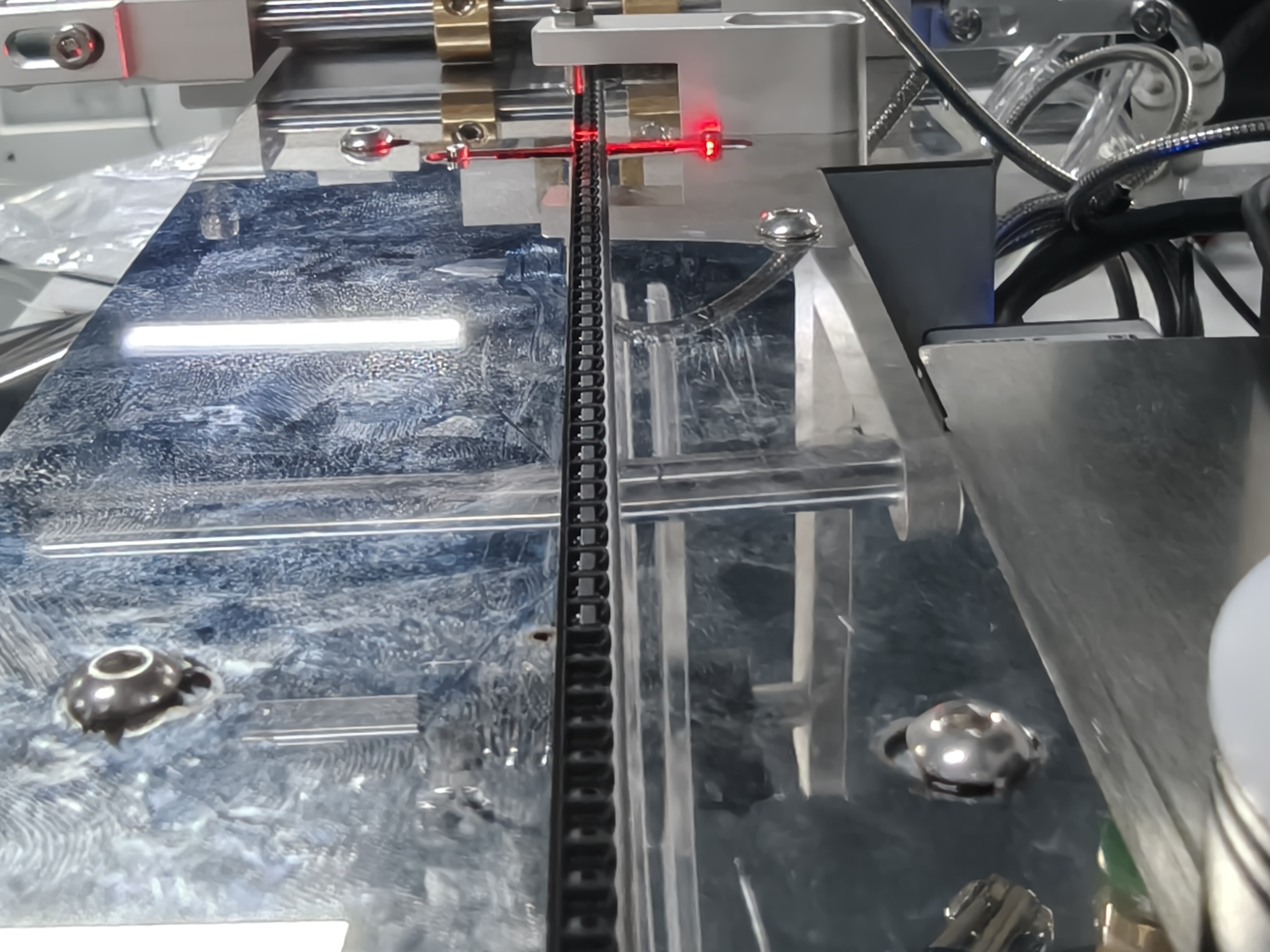
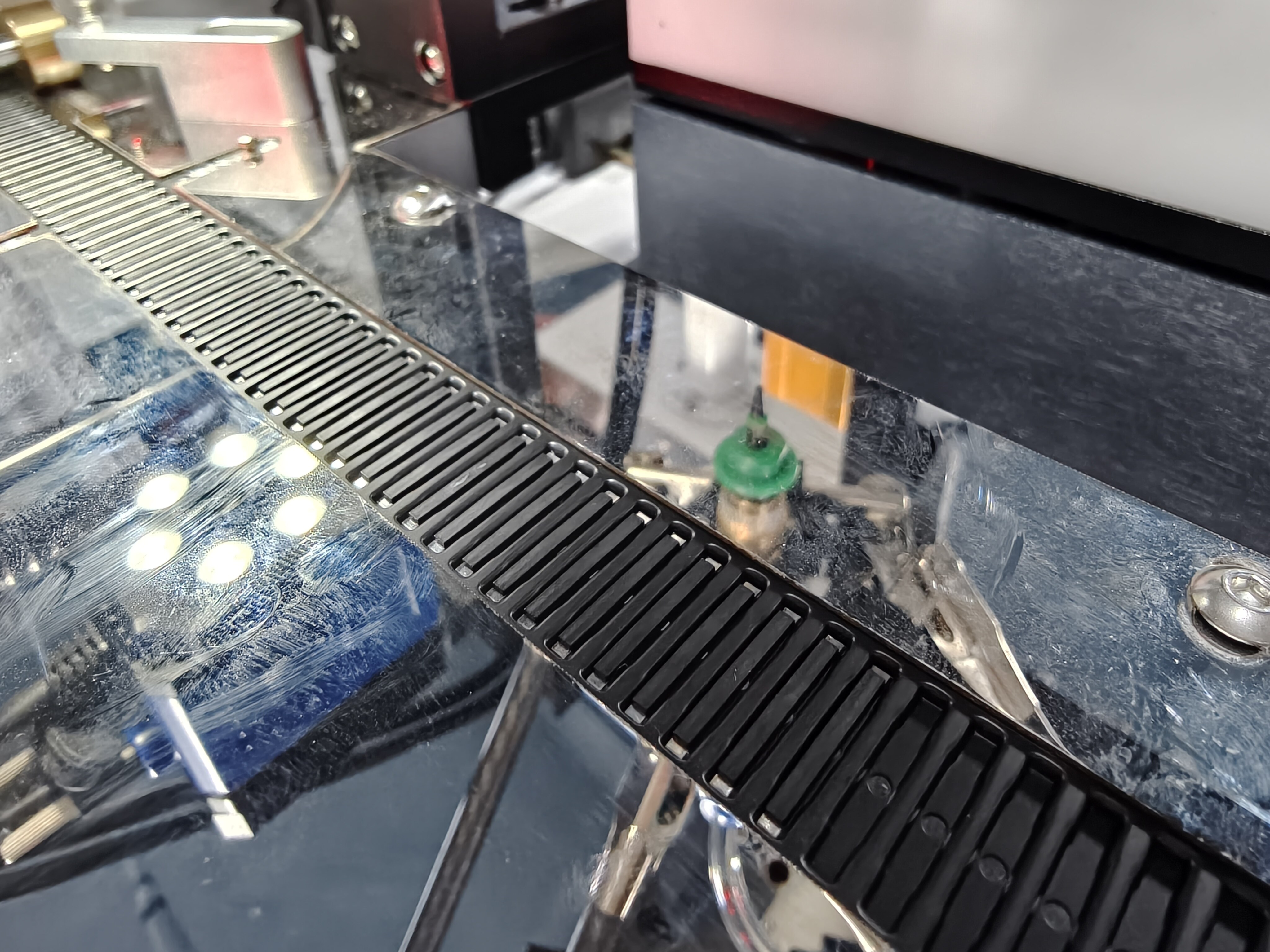
For electronic component factories producing SMD parts, connectors and miniature passive components, reliable tape-and-reel packaging is critical. Poor packaging quality will directly cause failures on customers' SMT assembly lines.
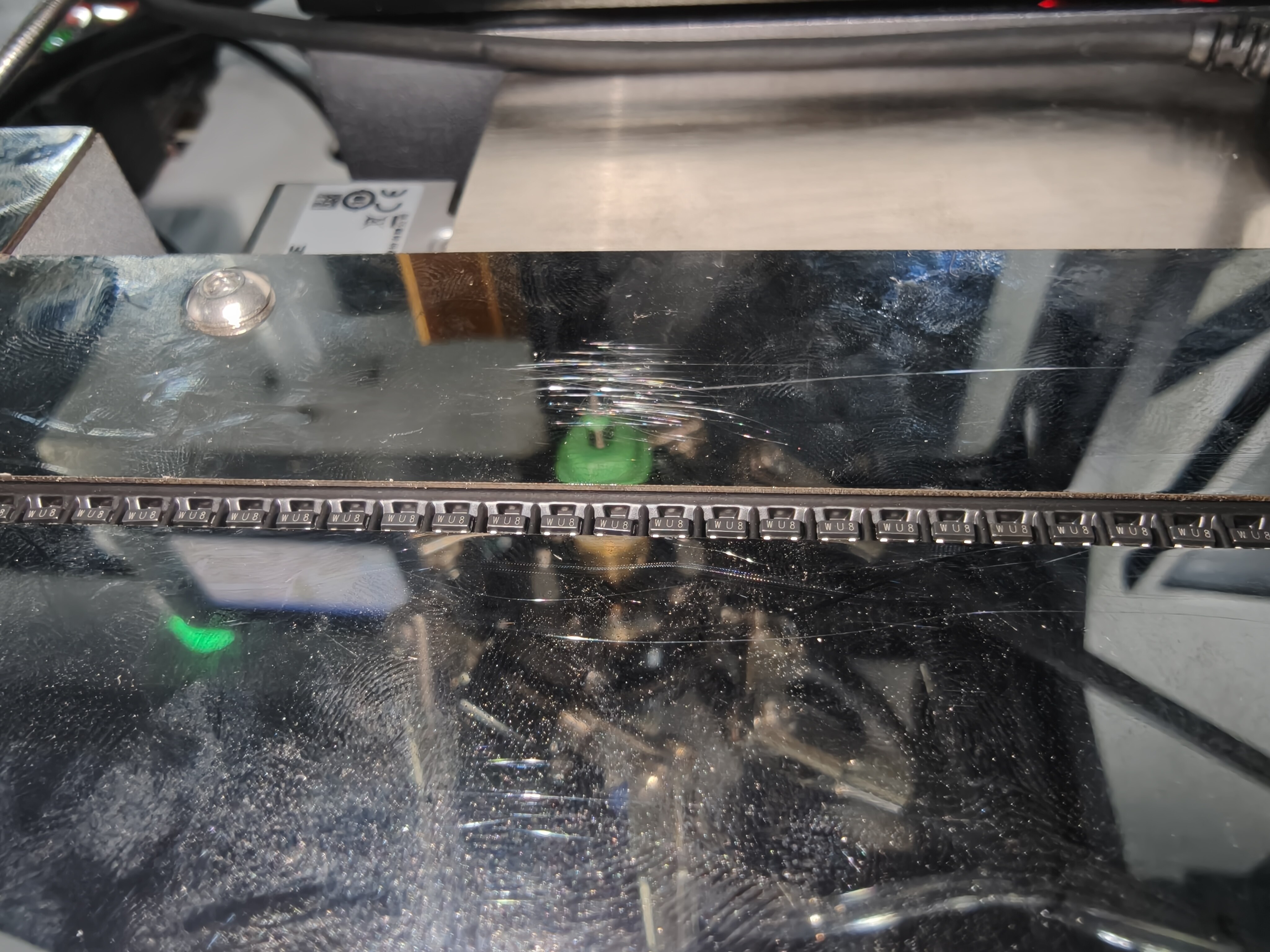
Many plants still face persistent packaging troubles. Unstable heat and pressure lead to inconsistent sealing. Parts flip, tilt or shift inside carrier tape pockets, generating large numbers of rejects. Older machines need complicated mechanical re-tuning when switching component sizes, slowing production change-over. Packaging defects result in product returns, rework cost and damage to your business reputation.
Our Solution
Our automatic tape & reel encapsulation machine is built for these practical electronic-manufacturing challenges.
Closed-loop temperature and pressure control delivers steady sealing quality. Built-in vision inspection catches flipped, offset or missing components while running. Quick-adjust modules enable fast setup for multiple part sizes and tape types. It supports consumer, automotive and industrial-grade component packaging and can connect with factory MES systems for full-production traceability.
The Results
Component suppliers gain lower waste, less manual inspection work and consistent outgoing product quality. It helps factories meet strict quality demands from global OEM and EMS assembly partners.
Featured Article
Material-Handling Headaches: Why Traditional Conveyors Slow Down Modern Assembly Workshops
The Challenge
Assembly, food processing and 3C manufacturing workshops rely heavily on conveyor systems for smooth material flow. Today's factories frequently adjust production layouts, add stations and update product lines to respond to changing market orders.
Traditional fixed rigid belt conveyors create many hidden problems. Every layout modification needs large-scale reconstruction and long production shutdowns. Belt deviation, fast wear-out and difficult spare-part replacement bring unexpected downtime. A single belt material cannot satisfy anti-static, food-grade or high-wear-resistance needs at the same time, limiting production flexibility. Bad material-handling design becomes a bottleneck holding back your whole-line output.
Our Solution
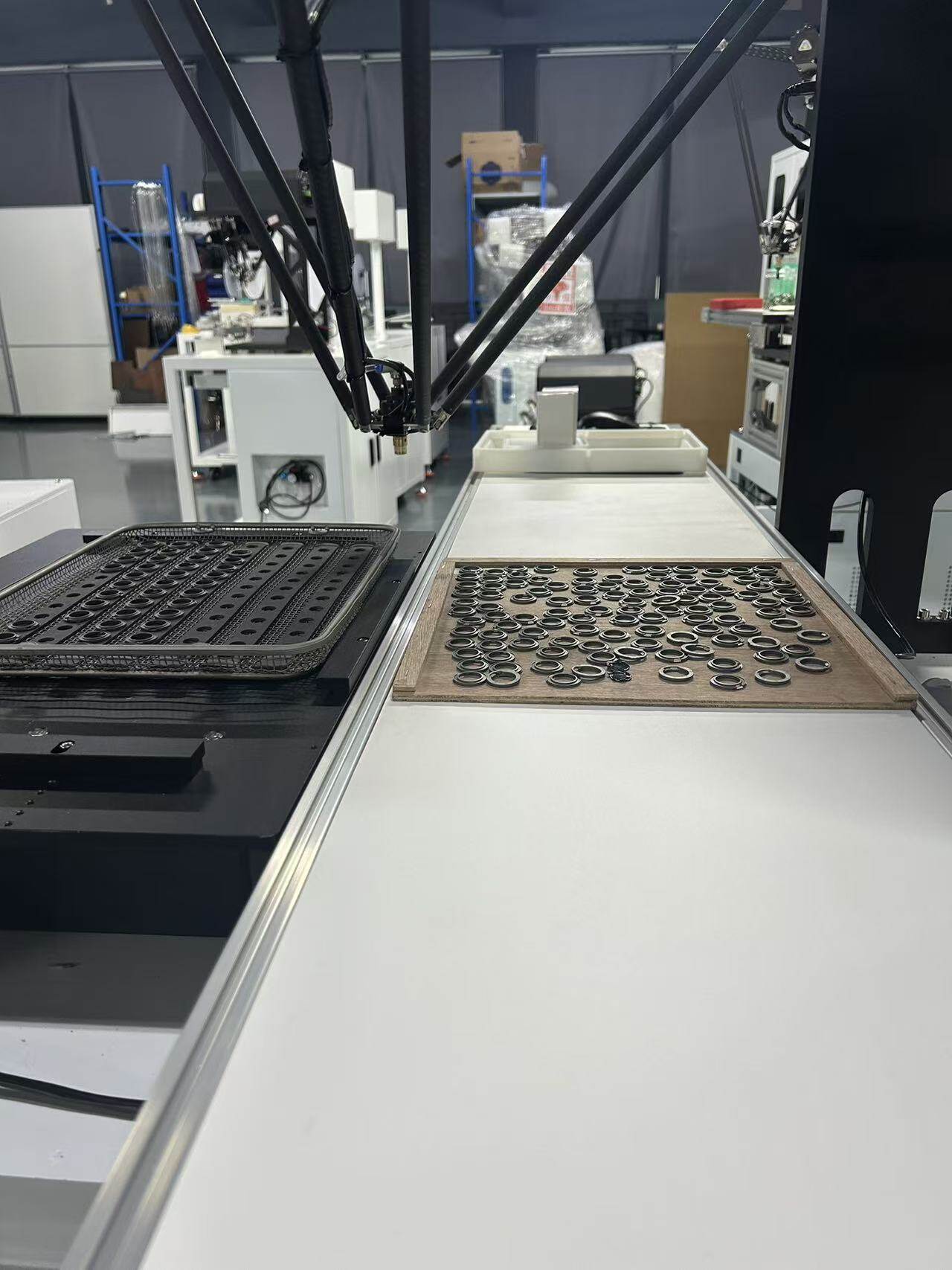
Our modular belt conveyor system addresses these typical factory material-handling pain points.
Modular unit-based design lets you re-arrange line layout quickly without heavy reconstruction. Anti-deviation structure reduces frequent manual adjustments. Multiple belt options are available for food-safe, anti-static and heavy-wear-resistant working conditions. Maintenance and part replacement are simple and time-saving. It can easily connect with robots, testing stations and packaging equipment.
The Results
Factories avoid expensive line-rebuilding costs, reduce unplanned downtime and keep steady material flow. For workshops with frequent production-line changes, modular conveyors deliver solid long-term operational value.